Christmas Lights Dog Paw
When I first opened the Christmas Lights Dog Paw design file, I was curious how a holiday-themed paw print would read on fabric. A dog paw wrapped in festive lights could go either way—cute without being cloying, or overly busy. After examining the artwork closely, testing it in a few project mockups, and thinking through real stitching scenarios, I can say this design sits firmly in the useful, charming category. It is not a novelty one-off. It is a design you can build products around, whether you are stitching for your own shop or fulfilling a custom order for a client who wants something merry but not generic.
First Look at Christmas Lights Dog Paw
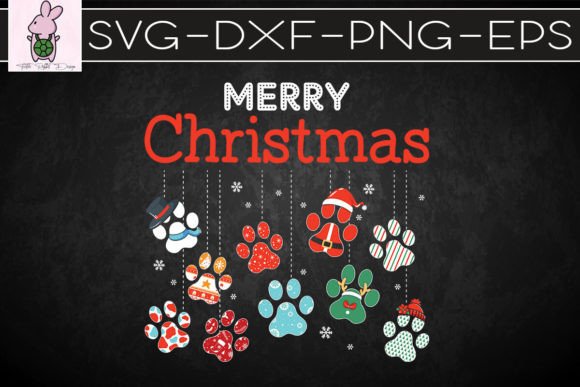
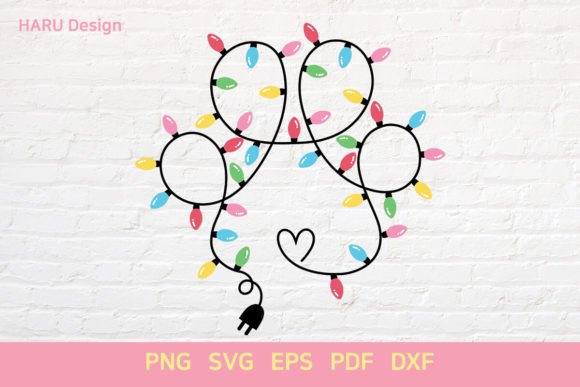
The layout is clean and centered, with the paw shape acting as the anchor and the Christmas lights woven around and through the outline. The lights add a playful, slightly whimsical mood without overwhelming the paw silhouette. You still recognize the paw first, then notice the festive detail. That balance matters. A design that reads instantly from a few feet away works better on apparel and bags than something that requires close inspection. The artboard size is 12 inches by 12 inches, which gives you room to scale the design for different products without losing proportion. As a designer, I appreciate having a generous canvas because it means the detail in the lights—the small curves, the bulb shapes, the connecting lines—stays crisp even when you reduce the size for a smaller garment.
The theme fits naturally into holiday embroidery, but it is not locked into a traditional red-and-green palette. You can pull the lights into any color combination that matches your brand or your customer's preference. Blue and white, warm gold and red, even pastel tones for a softer look. The paw itself is neutral enough to adapt. That flexibility is what makes this design a stronger asset for a craft business or an Etsy seller who wants to offer variations without buying multiple files.
Real Project Fit and Feel
I ran through a typical scenario: preparing a custom embroidered tote bag for a holiday market. The bag was a natural canvas tote, medium weight, with a slightly textured surface. I wanted the design to sit centered on the front panel, large enough to be visible but not crowding the seams. Using the SVG file, I scaled the Christmas Lights Dog Paw to about five inches wide. The lights held their shape well at that size. The bulbs remained distinct, and the connecting line between them did not turn into a blob. That is a good sign for any embroidery file you plan to use on real products.
I also tested it on a mockup of a sweatshirt embroidery project. Sweatshirt fabric has more give and a thicker surface, so designs with fine details can sink in and lose clarity. This design handled the simulated fabric well because the paw outline provides a solid visual anchor. The lights sit around the paw rather than inside tight spaces, which means they do not get lost in the nap of the fleece. If you are stitching on fleece or french terry, I would recommend a medium-weight stabilizer and a careful tension test before committing to the full run.
Best Uses for This Design
Based on my review, Christmas Lights Dog Paw works well across several product categories. Here is where I see it fitting naturally into a real shop or project lineup:
- Custom apparel: T-shirts, sweatshirts, and hoodies for pet owners who want a holiday look that is not overly sentimental. The design reads as playful and modern.
- Tote bags and canvas shoppers: Centered on the front panel, it makes a quick, sellable item for craft fairs or holiday pop-ups.
- Embroidered patches: Because the layout is compact and the outer edges are defined, it converts easily into a patch design. You can stitch it on felt or twill and sell it as an iron-on patch.
- Baby embroidery and kids apparel: Scaled down to three or four inches, the design looks sweet on a onesie or toddler sweatshirt without being too literal. The lights add a soft festive touch.
- Pillow covers and kitchen towels: For home decor, the design adds a holiday accent that feels intentional, not thrown on. Towels with a tighter weave will show the satin stitch details better than loose linens.
- Holiday gifts and personalized products: If a customer wants a gift for a dog owner, this design gives you a strong starting point. You can pair it with a name or monogram in a separate hoop or position it alone for a cleaner look.
- Digital product previews and printable mockups: The PNG file is useful for showing the design on products without stitching a sample. As an Etsy seller or small shop product creator, you can use the PNG in your listings to show scale and placement. The PDF also works for printed instruction sheets or pattern previews.
Where to Use This Design Carefully
No design works everywhere, and being honest about limitations helps you avoid wasted thread and frustrated customers. Here are the situations where I would approach Christmas Lights Dog Paw with extra caution:
- Small hoop sizes: If your hoop is under four inches, you will need to scale the design down significantly. At that size, the light bulbs may become too small to render clearly, especially if you are using a satin stitch for the bulbs. Test a sample at your target size before stitching on a final product.
- Thin or stretchy fabric: Lightweight knit or jersey can distort under stitch density that is moderate to high. The paw outline itself should be fine, but the connecting lines between the lights could cause puckering if the fabric is not stabilized well. Use a tear-away or cut-away stabilizer depending on the fabric weight.
- Dark fabric backgrounds: If the paw outline is stitched in a dark color and the lights are bright, the contrast will work well. But if you use dark thread for the lights on a dark shirt, the details will disappear. Plan your thread colors with the fabric in mind. A light-colored paw on a dark background gives you the most readable result.
- Curved surfaces like caps or hats: The layout is centered and somewhat circular, which helps on a curved surface. However, the lights that wrap around the outer edges of the paw may shift if the cap is not hooped properly. Use a cap frame and test the placement before stitching.
- Products that need frequent washing: Kitchen towels, baby bibs, and reusable bags see a lot of wear. If you use a fill stitch for the paw, it will hold up well, but thin or loose stitches in the lights may fray over time. Use a quality thread and a stabilizer that stays in the garment to extend the life of the embroidery.
Practical Stitching Notes
I always run a test stitch before committing to a production run, and this design is no exception. Here is what I would recommend checking before you stitch your first finished product:
- Test on scrap fabric first: Use a fabric that matches your final product. Check how the lights stitch out, especially the small curves. If any bulb shape looks distorted, adjust the size slightly or change the stitch density in your software.
- Review thread color contrast: The design works in both monochrome and multicolor setups. If you are using a single color, choose a thread that stands out against the fabric. If you are using multiple colors, assign the lights a bright shade and the paw a neutral or darker shade for contrast.
- Confirm hoop size and scaling: The original artboard is 12 inches by 12 inches, but you will likely stitch this at a smaller size. Check that your hoop size accommodates the scaled design. Leave at least an inch of clearance around the hoop for proper tension.
- Inspect small details in black and white mockups: Before you assign colors, view the design in grayscale. If any area looks muddy or unclear without color, it may need editing. Clear line work in grayscale usually translates to clean stitching.
- Use proper stabilizer for the fabric: For woven cotton or canvas, a medium-weight cut-away stabilizer works well. For knits or stretchy fabrics, use a cut-away with some give. A stabilizer that matches the fabric type prevents puckering and keeps the design flat.
- Check licensing before selling finished items: The product includes SVG, EPS, PNG, PDF, and DXF files. Confirm whether the license allows commercial use of the finished product. If you plan to sell items with this design or sell the digital file itself, verify the terms. I recommend keeping a copy of the license for your records.
Final Thoughts on Christmas Lights Dog Paw
After spending time with this design across different mockups and use scenarios, I consider it a solid addition to a design assets library for anyone creating handmade products with a holiday theme. It does not try to do too much. The paw is the focus, and the lights add a seasonal twist without competing with the main shape. That restraint makes it versatile. You can use it on a personalized gift for a friend, a batch of custom apparel for a boutique order, or a series of embroidered patch sets for a craft fair.
The file formats included—SVG, EPS, PNG, PDF, DXF—cover most workflows. If you use vector software for editing or cutting machines, you have SVG and EPS. If you need a transparent preview for listings or mockups, the PNG handles that. For print-and-cut or physical templates, the PDF and DXF give you options. I would suggest testing the design in your specific software before building a full product line, especially if you plan to convert it into a native machine embroidery design format like PES or DST. The conversion may affect how the details render, so a test stitch is always the safest step.
Christmas Lights Dog Paw feels like a design that will appeal to customers who want holiday embroidery that is not overly traditional. It works for dog lovers, yes, but also for anyone who wants a playful, lighthearted festive look. If you are running a craft business or selling through an Etsy seller shop, this design gives you a clean, adaptable asset that can move across products and seasons with the right color choices. Test it, tweak it, and see where it fits your product lineup. That is the real test of any design, and this one holds up well under scrutiny.