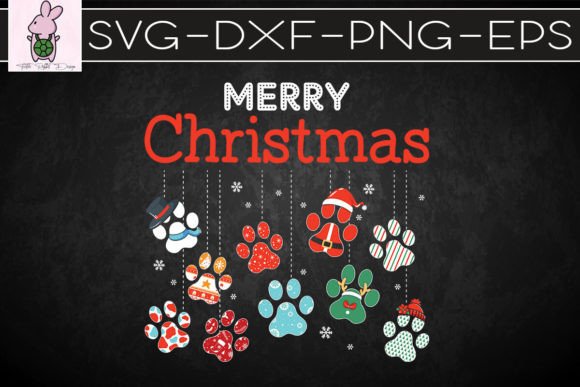
Merry Christmas Dog Paw Print
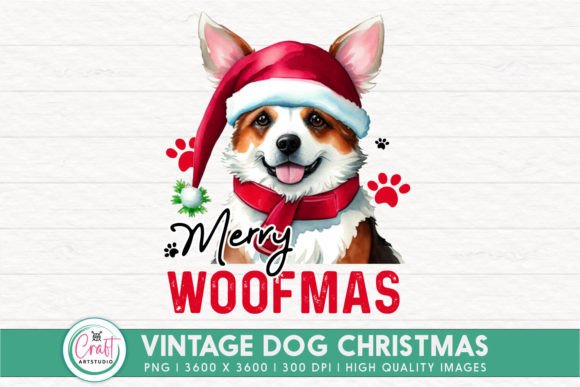
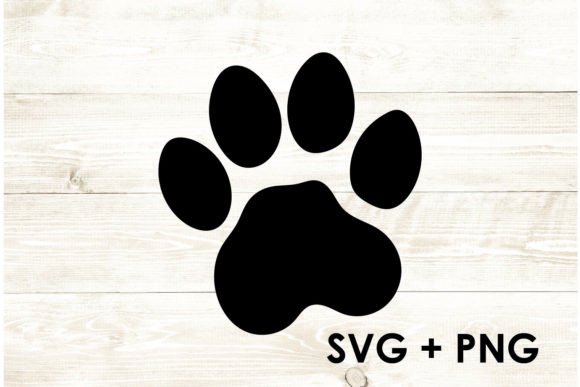
When I first opened the Merry Christmas Dog Paw Print file, I was looking at it from two angles: as a digital graphic ready for a cutting machine and as a potential embroidery project that could land on a tote bag, a sweatshirt, or a holiday gift. The design pairs a cheerful Christmas message with a dog paw motif, and that combination immediately feels like it belongs on products for pet lovers. The paw print shape is straightforward, the lettering is legible, and the overall layout carries a friendly, slightly playful mood without being too cartoonish. That balance matters when you are deciding whether a design will sell in a small shop or hold up as a personalized gift. I have tested enough digital files to know that first impressions can be misleading, but this one gives the sense that it was built with both cutting and stitching in mind.
A Designer’s First Read on the Mood and Layout
The Merry Christmas Dog Paw Print doesn't try to do too much. The paw print sits as the central visual element, and the text wraps around it or sits beneath it depending on how you choose to position it. That simplicity works well for embroidery because it reduces the risk of thread tangles and density problems in small hoops. The mood is warm and slightly sentimental, the kind of design a customer buys for a dog-loving friend or family member. It feels personal without being overly niche, and that broad appeal is exactly what I look for when I am building inventory for a craft fair or an Etsy shop. The paw itself is clearly defined, and the lettering is thick enough that it will stitch out cleanly in a satin stitch or a fill stitch without losing readability.
Because this is a digital image intended for cutting machines, the file is clean and the edges are crisp. That precision carries over into embroidery if you convert it properly or use it as a guide for digitizing. The design does not rely on tiny details that would disappear in thread, which is a common problem when people take a graphic meant for print and try to stitch it. Here, the shapes are bold enough that they translate well into an embroidery file, as long as you pay attention to stitch density and hoop size.
Real Project Test: Embroidering a Custom Tote Bag
I ran a test of this design on a simple canvas tote bag, the kind that small shop owners love to personalize for holiday markets. I wanted to see how the Merry Christmas Dog Paw Print would handle on a medium-weight fabric with a bit of texture. The paw shape stitched out cleanly in a fill stitch, and the text held up well in a satin stitch at about 4 inches wide. I kept the thread colors simple: a deep red for the paw and a bright white for the lettering. The contrast was strong, and the design sat nicely on the bag without feeling crowded. I also tried a version on a dark green sweatshirt, and that is where the design really came to life. The paw popped against the green, and the holiday message read clearly from a few feet away. That kind of visibility is important when you are making products for a boutique or a holiday pop-up. Customers want something that looks handmade but also professional, and this design delivers that balance.
I will note that the design works best when it is not scaled down too small. At 3 inches or smaller, the lettering starts to lose its crispness, especially if you are stitching into a textured fabric like fleece or a thick sweater knit. If you plan to put this on a baby onesie or a small cap, I would recommend testing it first on scrap fabric to see whether the details hold. For most tote bags, sweatshirts, aprons, and pillow covers, the standard size range between 4 and 6 inches feels right. That gives the paw enough room to read as a paw and the text enough space to stay legible.
Where This Design Performs Best and Where to Be Careful
From my experience testing embroidery files and digital graphics for small businesses, the Merry Christmas Dog Paw Print fits naturally into several product categories. Custom apparel is the obvious choice. Sweatshirts, t-shirts, and hoodies with this design sell well during the holiday season, especially when the buyer is a dog owner. Tote bags are another strong option because the design is bold enough to work as a standalone piece on the front of a bag. I also see this working well on embroidered patches. If you sew patches onto caps, aprons, or jackets, this design is simple enough to stitch as a patch and then attach to a finished product. That approach gives you flexibility if you want to offer both sewn-on and iron-on options in your shop.
Baby embroidery is another area where this design could work, but with caution. The paw print is cute enough for a baby blanket or a bib, but the holiday text might feel a bit mature for a newborn. I would recommend using only the paw portion if you are stitching for a baby, or pairing it with a smaller font that feels more delicate. For holiday gifts like tea towels, pillow covers, and kitchen linens, the full design works well because the message is festive and the motif is easy to recognize. Customers buying handmade holiday gifts often gravitate toward designs that feel personal without being too niche, and this one strikes that chord.
There are a few situations where I would be careful with this design. Small hoop sizes, anything under 4 inches, can make the lettering difficult to read, especially if you are using a thick thread or a dense fill stitch. Textured fabrics like bouclé or heavy sweater knits can swallow the finer details of the paw print, so I recommend using a cutaway stabilizer and a sharp needle. Stretchy fabrics like jersey or rib knit require extra stabilization to prevent the design from distorting. I also recommend testing the design on dark fabrics before committing to a production run. The paw print needs good contrast to stand out, and if you are stitching on black or navy, light thread colors like white, silver, or bright red work best. Avoid using dark thread on dark fabric because the paw will disappear into the background.
Practical Notes for Embroidery Designers and Small Shop Owners
Before you use the Merry Christmas Dog Paw Print in a commercial project or a handmade product, there are a few practical steps that will save you time and frustration. First, test the design on scrap fabric that matches your final product. This is not optional. I have seen too many crafters skip this step and end up with a design that pulls, puckers, or loses detail after the first wash. Use the same stabilizer you plan to use in production, and run the test at the same stitch density and hoop size. Check the thread color contrast under natural light and under store lighting. What looks good on a computer screen can look muddy on fabric.
Second, review the stitch density before you start. Because this design was originally created for cutting machines, the line work is clean and the shapes are solid. That translates well into embroidery, but you still need to confirm that the fill areas are not too dense. Overly dense stitching can cause fabric puckering, thread breaks, and a stiff hand feel that customers do not like. If you are digitizing the design yourself, keep the fill stitch density moderate and use a satin stitch for the lettering. If you are using a pre-digitized version, run a test stitch-out and look for any areas where the thread layers too thickly.
Third, check the hoop size requirements. The design needs enough room around the paw and text to allow for hooping and stabilization. I recommend a minimum hoop size of 5 by 7 inches for most standard placements. If you are working with a smaller hoop, you may need to scale the design down, but be aware that scaling affects detail. Test the scaled version before you commit to a batch of products.
Fourth, think about thread colors in advance. This design works with two or three colors. A classic combination is red for the paw, white for the text, and maybe a dark green outline if you want extra definition. You can also reverse it with a white paw and red text for a different look. I recommend stitching a black and white mockup first to see how the shapes read without color. That step helps you spot any areas where the design might look unbalanced or where the stitches might blend together.
Fifth, confirm the licensing terms before you sell finished products or digital files. The product description for Merry Christmas Dog Paw Print states that it is a digital image for cutting machines and that no physical item is delivered. If you plan to sell embroidered products using this design, make sure you understand whether the license covers commercial use. Some digital files are for personal use only, and using them in a business without the proper license can cause problems later. When in doubt, contact the seller and ask. It is better to clarify upfront than to deal with a takedown notice or a copyright claim after you have built inventory.
For Etsy sellers and small shop owners, this design is a solid addition to your holiday lineup. It appeals to dog owners, which is a large and engaged market, and the Christmas theme gives it a seasonal hook that drives sales from November through January. The design works well as a standalone piece on a sweatshirt or tote bag, and it also pairs nicely with other holiday motifs like snowflakes, presents, or Christmas trees if you want to create a themed collection. Just remember to keep the scale reasonable, test your materials, and offer options that fit different product types.
How This Design Affects Visual Appeal and Customer Trust
When a customer buys a handmade product, they are not just buying a design. They are buying the care and precision that went into stitching it. The Merry Christmas Dog Paw Print helps you deliver that impression because it is clean, balanced, and easy to execute well. A design that stitches out cleanly builds trust with your buyers. They see the crisp lettering and the smooth fill of the paw, and they associate that quality with your brand. That trust translates into repeat sales, positive reviews, and word-of-mouth recommendations. In a crowded market like holiday gifts, that kind of reputation is gold.
The design also has good giftability. Customers buying for a dog owner often look for something that feels personal but not overly sentimental. This design hits that sweet spot. It says Merry Christmas clearly, it includes the paw print that signals "for a dog lover," and it does not rely on inside jokes or niche references that would limit its appeal. Whether it ends up on a tote bag for a coworker, a sweatshirt for a sister, or an embroidered patch for a friend, the design fits the occasion without trying too hard.
From a branding perspective, this design is versatile enough to use across multiple product lines. If you run a small craft business that focuses on pet-themed gifts, this design slots neatly into your holiday collection. If you offer custom embroidery services, you can position it as a ready-made option for customers who want something festive but do not want to design from scratch. The fact that it works as a digital file for cutting machines also means you can offer vinyl versions alongside embroidered ones, giving your customers a choice in material and finish.
One thing I appreciate about this design is that it does not try to be everything at once. It is a paw print and a holiday greeting, and that is enough. It lets the stitching and the fabric do the heavy lifting. That restraint is what makes it practical for real production work. You are not fighting against awkward shapes, excessive detail, or unbalanced compositions. You are simply stitching a clean design onto a quality product, and that is the formula that works for small shop success.
If you are a maker who sells at craft fairs, keeps an Etsy shop, or takes custom orders through social media, the Merry Christmas Dog Paw Print is worth adding to your design assets. It delivers exactly what the product description promises: a digital image that is easy to use with Cricut and Silhouette machines, and a design that translates well into finished products. For embroidery work, just take the extra steps to test, stabilize, and scale appropriately. That effort pays off every time.