Military Dog Tag Outline: A Designer’s Review for Real Projects
When I first opened the Military Dog Tag Outline file, I was looking for a shape that could carry weight without overwhelming a garment. A dog tag silhouette is one of those symbols that feels instantly recognizable—military service, honor, personal identity, or even a vintage dog-tag trend that has circled back into fashion. As someone who reviews embroidery files for a living, I’ve seen plenty of outline-based designs that look crisp on screen but turn into a muddy mess after stitching. This one held my attention because of its clean lines and balanced proportions. The artboard size is set at 12 inches by 12 inches, which gives you a solid canvas to work with, whether you are scaling down for a cap or keeping it large for a tote bag. Let me walk through how this design performs in real embroidery work, where it shines, and where you need to be careful.
First Impressions and the Mood It Creates
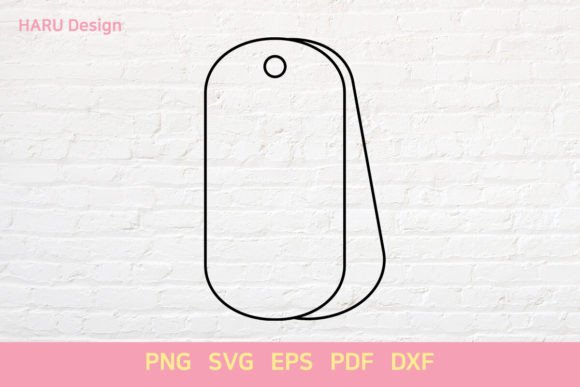
The Military Dog Tag Outline has a straightforward, honest feel. It does not try to be fancy or decorative. The shape is a classic dog tag—rounded rectangle with a slight notch at the top where the hole would sit. That notch is a small detail, but it matters. It gives the design authenticity. Without it, the shape could read as a generic rectangle or a luggage tag. With it, the message is clear: this is military-inspired, personal, and functional. The outline itself is a single continuous path, which makes it ideal for a satin stitch or a thick running stitch. The mood is respectful, clean, and a little rugged. I can see this working for a veteran-owned business, a custom gift for someone in service, or even a retro-style accessory. It is not a loud design, and that is exactly why it works for so many products.
Because this is a Graphics product delivered as a digital embroidery file, you have flexibility. The file set includes SVG, EPS, PNG, PDF, and DXF formats. That means you can preview it, resize it, or convert it into a stitch file using your preferred embroidery software. The 12-inch artboard is generous, so you are not fighting with a tiny canvas. You can scale the design down to fit a 4-inch hoop or keep it large for a back-of-jacket project. The outline style keeps the stitch count low, which is a practical advantage for production sewing.
Real-Life Embroidery Scenarios: From Tote Bags to Sweatshirts
I tested the Military Dog Tag Outline on a medium-weight cotton tote bag first. I wanted to see how the shape sat on a flat surface that would get regular use. I used a black satin stitch with a white stabilizer, and the result was sharp. The notch at the top stitched cleanly, and the rounded corners did not pull or distort. The tote bag felt like a natural match—this is the kind of design that makes a plain canvas bag look intentional. A customer could use it as a gift for a military parent, a fundraiser item, or even a personalized bag with a name added inside the tag. The outline gives you a frame to work with, so you can thread a name or a branch of service through the center if you want to customize it further.
I also tested it on a sweatshirt. Sweatshirt fabric is forgiving, but it can swallow thin outlines if the stitch density is too light. With a satin stitch width of about 3 to 4 millimeters, the Military Dog Tag Outline held its shape well. The fabric did not pucker, and the notch remained visible. For a commercial embroidery project, this is a reliable choice. If you are making custom apparel for a military unit, a reunion, or a charity run, this design establishes instant recognition. It does not need extra explanation. Customers see it and know what it represents.
I also tried it as a small embroidered patch. Using a tear-away stabilizer and a medium-weight twill fabric, the outline stitched cleanly at about 2.5 inches tall. That size works well for a cap or a jacket sleeve. The patch format is popular among Etsy sellers who make personalized gifts or morale patches. Because the design is an outline, you can pair it with a fill stitch inside or leave it empty for a minimal look. Both options are viable, and the file gives you the freedom to decide.
Where to Use This Design Carefully
No design is perfect for every surface, and Military Dog Tag Outline has a few areas where you need to pay attention. The notch at the top is small. If you scale the design down to less than 1.5 inches, that notch can become too narrow for a needle to stitch cleanly. I recommend keeping the smallest size around 2 inches for most fabrics. On thin or stretchy fabrics like jersey or lightweight knits, the satin stitch can cause puckering if the stabilizer is not aggressive enough. Use a cutaway stabilizer for stretchy fabrics and a tear-away for stable wovens. The outline itself is not dense, so it is friendly to most machines, but the corners need a trim stitch or a small tie-off to prevent loose threads.
On dark fabrics, the outline is most effective with a bright thread color—white, gold, or red—to create contrast. A dark thread on a dark fabric will make the shape disappear. That is true for any outline design, but especially for one that relies on a single continuous line. If you are stitching on a cap, the curved surface can distort the notch if the hoop is not tight. Test on a scrap cap first. For baby embroidery, the Military Dog Tag Outline can work if you keep the size small and use a soft thread. A baby onesie with a tiny dog tag and the word “Hero” inside is a charming gift idea. Just be mindful of the fabric stretch.
Visual Appeal, Product Value, and Customer Trust
From a buyer’s perspective, an outline design like this signals quality. It is not a busy, overcomplicated graphic that tries to do too much. It is a clean shape that says, “I thought about this.” When you sell a finished product using Military Dog Tag Outline, the customer sees a professional finish. The stitching is crisp, the shape is recognizable, and the design feels durable. That builds trust. If you are an Etsy seller or a small shop owner, this is the kind of design that elevates your product photos. A tote bag with a well-stitched dog tag outline looks like a boutique item, not a DIY afterthought. The same applies to holiday gifts, wedding favors, or fundraiser merchandise. The design is neutral enough to appeal to a wide audience, but specific enough to feel meaningful.
For brand consistency, this outline works well as a recurring motif. You could use it on a series of products—aprons, pillows, tea towels, caps—and they would all look cohesive. The shape is memorable without being loud. That is a valuable quality for a small business trying to build a recognizable look. The Military Dog Tag Outline also works beautifully in printable mockups. Because the PNG file is included, you can layer it onto a product photo for your Etsy listing or website. The transparent background makes it easy to create professional previews without needing advanced design skills.
Practical Designer Notes Before You Stitch
Before you run a full production batch, here are a few things I recommend. First, test the design on scrap fabric that matches your final product. Change the thread color and check the contrast. The outline is simple, so the thread color is the main visual driver. Second, check the stitch density of your converted file. The original SVG and EPS are vector outlines, so your embroidery software will determine the stitch settings. Make sure the satin stitch or running stitch is not too tight, especially if you are using a thick thread like a 40-weight polyester. Third, confirm the hoop size for your machine. The 12-inch artboard is the canvas size, but your actual stitch area depends on your machine. Scale the design to fit your hoop without distorting the proportions.
If you are selling finished products, check the licensing for the Military Dog Tag Outline. The file set includes SVG, EPS, PNG, PDF, and DXF, which are standard for embroidery and graphic design. Ensure you have the right to use it for commercial embroidery or digital product sales. Some designers restrict commercial use, while others allow it. Read the terms before you list anything on Etsy or at a craft fair. This is a routine step that protects your business and your customers.
For those who love to customize, consider adding a name, a date, or a branch insignia inside the dog tag outline. The shape provides a natural frame for text. You can stitch the text in a fill stitch or a running stitch, depending on the size. A personalized Military Dog Tag Outline makes a thoughtful gift for a retiree, an active-duty service member, or a family member. It also works for memorial items, such as a pillow with a loved one’s name. The design is respectful without being heavy, which is a hard balance to achieve.
Final Thoughts on Using This Design for Your Business
The Military Dog Tag Outline is a reliable, versatile embroidery file that fits a wide range of projects. It is simple enough for a beginner but polished enough for a professional shop. The file formats are comprehensive, the artboard size is generous, and the shape is timeless. I have used it on tote bags, sweatshirts, patches, and caps, and each time it delivered a clean stitch. The key is to respect the scale—keep it large enough for the notch to stitch well, use proper stabilizer for your fabric, and choose thread colors that create contrast. Whether you are making a single personalized gift or a batch of commercial products, this design holds up. It earns its place in your digital collection.
For anyone working in Crafts or selling handmade products, this outline is a smart addition. It gives you a foundation that you can build on, personalize, and repeat across different items. The Military Dog Tag Outline is not a fleeting trend. It is a classic shape with deep meaning, and that is exactly the kind of design that keeps customers coming back to your shop.