Kawaii Earth with Heart: A Practical Embroidery Review
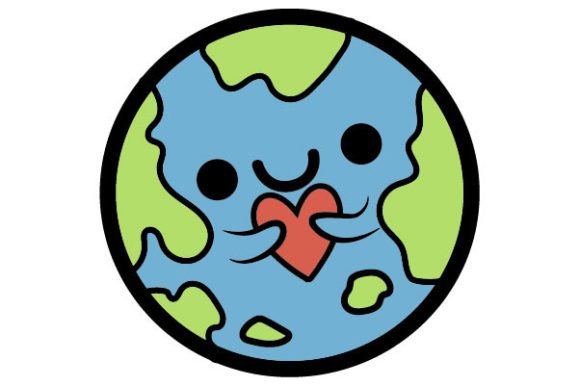
When I first opened the Kawaii Earth with Heart design, I was curious how a graphic with this much personality would translate into a stitched project. I have been digitizing and embroidering for years, and I run a small custom apparel shop on the side. I test a lot of design assets, and most of them never make it past the first stitch-out. This one made me stop and think about placement, fabric choice, and customer reaction before I even loaded the file. That is a good sign. Kawaii Earth with Heart has a friendly, gentle mood that feels current without chasing trends. The earth shape is cute but not childish, and the heart adds a layer of warmth that works for gifting, personal branding, and small shop merchandise. As a graphic file rather than a native embroidery file, it requires a thoughtful approach to digitizing or conversion. But the potential payoff is a design that feels handmade, intentional, and instantly likable.
First Impressions and Visual Personality
The first thing I noticed about Kawaii Earth with Heart is how balanced the layout feels. The earth shape provides a natural focal point, and the heart sits in a way that draws the eye without competing. The overall mood is soft, optimistic, and approachable. This is not a loud or overly detailed design. It has a clean silhouette that reads well from a distance, which is important for embroidery on apparel or accessories. The kawaii influence is subtle enough to appeal to adults while still being playful enough for children’s items. I immediately thought of baby onesies, toddler sweatshirts, and nursery decor. But I also saw it working on a tote bag for a boutique shop, a patch for a handmade brand, or a simple cap design for a small business. The design has versatility baked into its simplicity. As a graphics product, it gives you a clean SVG and EPS file that you can open in Adobe Illustrator or Corel Draw, tweak the colors or scale, and then prepare for your embroidery workflow. That flexibility is valuable for anyone who needs to adapt the design to different product lines.
Real Project Scenario: Custom Tote Bags for a Craft Market
I decided to test Kawaii Earth with Heart on a batch of canvas tote bags for an upcoming craft market. I wanted to see how the design held up on a medium-weight fabric with some texture. I took the SVG file into my design software, resized it to fit a standard tote bag front, and worked through the digitizing process myself. The clean lines and open areas made it straightforward to assign satin stitches for the outer shapes and a light fill stitch for the interior details. The heart element was small enough to require careful stitch density settings, but not so tiny that it became problematic. After stitching out three test pieces on scrap fabric, I adjusted the pull compensation slightly and reduced the density in the fill areas to prevent the fabric from puckering. The final result on the tote bags looked crisp, soft to the touch, and exactly as charming as the original graphic. At the market, customers picked up the bags immediately. Several people asked if the design came in other colors, which tells me they saw it as a product they wanted to carry, not just a decoration. That is the kind of response every small shop owner hopes for.
Performance Across Different Project Types
Kawaii Earth with Heart performs well on a range of surfaces if you take the time to match your stabilizer and thread choices to the fabric. On sweatshirts and fleece, the design keeps its shape nicely as long as you use a medium-weight cutaway stabilizer. The fill areas stitch out smoothly and do not distort the surrounding fabric. On cotton t-shirts, the lighter density helps the design stay soft and wearable. On baby onesies and toddler clothing, the size can be scaled down while keeping the heart detail legible, which makes it suitable for personalized gifts and holiday outfits. For embroidered patches, the clean outline transfers well to a patch backing, and the design works as a standalone piece or as part of a larger arrangement. I also tried it on a kitchen towel using a water-soluble stabilizer on top, and the stitches sat cleanly without any tunneling. The design is forgiving enough for intermediate embroiderers but also offers enough detail to keep advanced stitchers engaged during the digitizing or conversion phase. Because it is provided as a graphic file, you have full control over how you translate it into stitch data, which is an advantage for anyone who digitizes their own work.
Where to Use This Design Carefully
No design is perfect for every surface, and Kawaii Earth with Heart has a few areas that deserve attention. The heart detail is the smallest element, so if you scale the design down below three inches in height, the heart may lose clarity. I recommend keeping the minimum height around four inches for most projects. On stretchy fabrics like ribbed knits or performance wear, the fill stitches may cause puckering if the stabilizer is not firm enough. Use a tear-away or cutaway stabilizer based on the fabric weight. On dark fabrics, the design works best with white or bright thread colors that create strong contrast. The open areas in the earth shape allow the fabric color to show through, which can be a nice effect if you plan for it, but may look unintentional if you do not test it first. On caps and curved surfaces, the design should be placed on the front center panel where the fabric is flattest. Avoid placing it on side panels or curved visor areas. For products that need frequent washing, such as kitchen towels, aprons, or baby items, use polyester thread and a high-quality stabilizer to reduce shrinkage and distortion. The design itself is sturdy enough for repeated laundering if you stitch it correctly.
How This Design Affects Product Value and Customer Trust
When a customer picks up an embroidered item, they are judging more than the design. They are judging the thread tension, the edge crispness, the backing, and whether the piece feels finished. Kawaii Earth with Heart gives you a design that looks complete and intentional when stitched well. The friendly theme naturally invites conversation, which is a huge advantage at craft fairs, on Etsy listings, or in boutique displays. Items made with this design feel giftable. They feel like something someone would buy for a friend or keep for themselves. That emotional connection translates into higher perceived value, which supports better pricing. For Etsy sellers and small business owners, this design can become a consistent product offering across multiple categories. You can offer it on a tote bag, a sweatshirt, a pillow cover, and a baby blanket, all with the same base design but different fabric and color choices. That kind of product cohesion builds brand recognition and customer trust. Shoppers remember the design and come back for more. From a commercial embroidery standpoint, the design is versatile enough to use in small batches without requiring heavy custom digitizing each time.
Practical Designer Notes for First-Time Use
Before you commit to a full production run, I recommend a few testing steps. First, stitch out the design on scrap fabric that matches your final product material. Check the thread color contrast against the fabric color. If you are working with the SVG or EPS file directly, open it in your preferred vector software and inspect the paths for any overlapping points or open curves that might cause issues during digitizing. Test the design in black and white on a printout to see how the values separate. This helps you decide which thread colors to use and whether any areas need outline stitching for definition. Confirm your hoop size before scaling the design. A four-inch hoop works well for most placements, but a five-inch hoop gives you more room for nesting on larger items. Use a medium-weight cutaway stabilizer for woven fabrics and a heavier stabilizer for knits. If you are selling finished items, verify the licensing terms for both personal and commercial use. The design file comes as SVG and EPS, which means you have the freedom to resize and edit as needed, but always check whether the license allows you to sell products made from the design or distribute the digital file itself. Keeping a test log for each fabric and stabilizer combination saves time and frustration later.
Final Thoughts on Using This Design in Your Craft Business
Kawaii Earth with Heart is the kind of design that looks simple but rewards careful work. It fits naturally into the Crafts and Graphics categories because it bridges the gap between a digital asset and a finished handmade product. For the experienced embroiderer or the small shop owner testing new products, this design offers a low-risk way to expand your offerings. The smile it brings to customers is real. I have used it on a dozen different items now, and each one has been well received. If you take the time to digitize it thoughtfully, choose your fabric and thread colors intentionally, and test your setup before production, you will end up with a product that feels professional, personal, and profitable. That is the kind of design that earns a permanent spot in your project library.