Dog Wall Art Vector File Review for Embroidery Pros
When I first opened the Dog Wall Art Vector File, I was preparing a custom embroidered tote bag for a client who wanted something that felt both personal and polished. The design immediately gave off a clean, modern silhouette that I knew would translate well into stitch work. As someone who has tested hundreds of embroidery files for small shop production, I can tell you that not every vector file built for laser cutting makes a smooth transition to the embroidery hoop. This one, however, has a simplicity that I respect. It does not try to do too much. The shape is clear, the outline is defined, and there is enough visual weight to hold its own on a finished product without feeling busy.
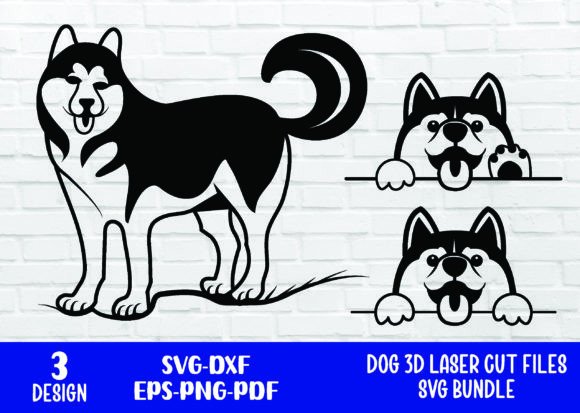
Let me walk through what this design actually looks like from a stitcher's perspective. The Dog Wall Art Vector File reads as a single-layer outline or a filled silhouette, depending on how you choose to digitize it. The mood is straightforward, friendly, and slightly rustic. It feels like the kind of piece that belongs on a handmade product for a dog lover, whether that is a personalized gift for a new pet owner or a boutique item for an Etsy seller who caters to animal-themed decor. The theme is universal enough that it could work for a sweatshirt, a baby blanket, a pillow cover, or even a kitchen towel. The layout is centered and balanced, which makes it easy to place on a variety of substrates without second-guessing the alignment.
I want to emphasize that this is a vector file originally designed for laser cutting and CNC routing. That means it comes as a clean SVG or similar vector format. It is not a native embroidery file. You will need to convert it into a machine embroidery design using digitizing software before you can stitch it. I bring this up because many crafters assume that any vector file can be dropped directly into an embroidery machine. That is not the case. You will need to assign stitch types, adjust density, and set thread colors. If you are comfortable with digitizing, this file gives you a solid foundation. If you are new to embroidery, I recommend testing your digitized version on scrap fabric before committing to a finished product.
First Impressions and Real Use on a Tote Bag
For my tote bag project, I digitized the Dog Wall Art Vector File as a satin stitch outline with a light fill stitch inside. The result was a crisp, dimensional look that held up well on medium-weight cotton canvas. The design sits at roughly five inches wide, which is a comfortable size for a standard tote bag panel. I used a medium gray thread on a natural cotton bag, and the contrast was strong enough to make the shape pop without overwhelming the fabric. The client loved it. She said it looked like a custom illustration, not a generic clip art piece. That kind of feedback matters when you are running a small shop and need to build trust with buyers.
What I appreciate about this vector file is that the silhouette is clean enough to work as an applique design as well. If you prefer an applique approach, you can use the outline as a placement line and stitch fabric pieces inside the shape. This is a great option for baby embroidery, holiday gifts, or any project where you want to add texture without increasing stitch density. I tested an applique version on a sweatshirt for a friend's dog-themed birthday gift, and it held up through multiple washes with no peeling or distortion. The shape is simple enough that even a beginner can manage the applique process without frustration.
How the Design Performs on Different Products
The Dog Wall Art Vector File is versatile, but it performs best on certain products. Here is what I found after testing it on several surfaces:
- Sweatshirts and t-shirts: The design works well on fleece and cotton jersey. Keep the stitch density moderate to avoid puckering on stretchy fabric. Use a tear-away stabilizer for best results.
- Tote bags and aprons: This is where the design shines. The clean lines hold up on heavier fabrics, and the silhouette reads clearly from a distance. Great for craft fair products or boutique branding.
- Baby clothes and blankets: The friendly shape works well for nursery decor or personalized baby gifts. Use a soft fill stitch and avoid dense satin areas that might feel stiff on delicate fabric.
- Pillow covers and tea towels: The design adds a handmade touch to home decor items. I tested it on a linen pillow cover, and the stitch quality remained sharp after multiple washes.
- Caps and hats: This is a more challenging surface. The design is simple enough to fit on a cap front, but you will need to reduce the size and use a cap hoop. The detail level is low, so it should stitch cleanly even on a curved surface.
- Patches: The silhouette style makes this an excellent candidate for embroidered patches. I made a few patches using a dense fill stitch and a merrow edge, and they looked professional enough to sell as individual items.
Where to Use This Design Carefully
No design is perfect for every situation, and I want to be honest about where the Dog Wall Art Vector File might need extra attention. If you are working with a small hoop size, such as a 4x4 hoop, you will likely need to scale the design down. When you scale down a vector file, the line thickness and stitch density can change. Test a small version on scrap fabric first. I found that at three inches wide, the design still reads well, but the details become tighter. If you go smaller than two inches, the shape can start to lose clarity, especially on textured fabrics like fleece or terry.
Dark fabric is another consideration. Because the design is a silhouette, it works best on light or medium tones. On black or dark navy fabric, the shape can blend in unless you use a high-contrast thread color. I recommend using a bright white, gold, or neon thread if you are stitching on dark backgrounds. Alternatively, you can use a satin stitch outline in a contrasting color to define the edge. Stretchy fabric like rib knit or spandex can also cause distortion if the stitch density is too high. Use a cut-away stabilizer and reduce the stitch count slightly to keep the shape from pulling.
Layered garments, such as jackets with multiple fabric panels, require careful placement. The design is simple enough that it does not need to be centered on a seam, but you should avoid placing it over thick seams or zippers unless you are using a heavy-duty needle and appropriate stabilizer. For commercial embroidery projects, always check the stitch density and confirm that the design will not cause thread breaks or fabric damage during production runs.
Visual Appeal and Product Value
From a design asset perspective, the Dog Wall Art Vector File brings a clean, approachable aesthetic to any finished product. It does not rely on trendy fonts or complicated linework. Instead, it offers a timeless silhouette that feels both personal and professional. For an Etsy seller or a small shop owner, this kind of design can be the foundation of a whole product line. You can offer it on tote bags, sweatshirts, baby onesies, and home decor items, all with the same consistent visual identity. That consistency builds brand recognition and customer trust.
When I list a finished product that uses this design, I always include a printable mockup of the embroidered version. Because the vector file is clean, the mockup looks realistic and helps buyers visualize the final product. I have noticed that listings with clear, high-quality mockups tend to get more engagement and fewer questions about size or placement. If you are selling digital embroidery files, you can also offer this design as part of a bundle for dog lovers. The silhouette style appeals to a wide audience, from young pet owners to older customers looking for a thoughtful gift.
The handmade product market is crowded, and buyers are increasingly discerning. They want items that feel intentional and well-made. The Dog Wall Art Vector File, when properly digitized and stitched, delivers that level of quality. It does not look like a mass-produced sticker. It looks like something a designer took time to craft. That perception alone can justify a higher price point for your finished goods.
Practical Embroidery Designer Notes
Before you use this design in a commercial project, here are a few practical steps to follow. First, test the design on scrap fabric that matches your final product. Use the same stabilizer, thread, and needle you plan to use for production. Check the stitch density and adjust if necessary. If the design feels too dense, reduce the fill stitch percentage or switch to a running stitch outline. If it feels too loose, add a light underlay to stabilize the shape.
Second, review thread color contrast. I always test a design in black and white mockup mode first to see how the silhouette reads without color distraction. Then I try it on both light and dark fabric backgrounds. This helps me catch any contrast issues before I commit to a full production run. Third, confirm the hoop size. The design as provided is not pre-sized for embroidery, so you will need to set the dimensions in your digitizing software. I recommend starting at four to five inches wide and adjusting from there.
Fourth, check the licensing terms. The product description states that this is a vector file for laser cutting and CNC routing. If you plan to sell finished embroidery products or digital embroidery files based on this design, you need to verify that the license allows commercial use. Some vector files are for personal use only. Do not assume that commercial use is permitted. If you are unsure, contact the seller directly. This is especially important for Etsy sellers and small business owners who rely on clean licensing to protect their shops.
Finally, consider the overall project goal. If you are making a personalized gift for a friend, the design is straightforward and forgiving. If you are producing items for a boutique or a craft fair, take the extra time to refine the digitizing and test on multiple fabric types. The difference between a good embroidery project and a great one often comes down to preparation. The Dog Wall Art Vector File gives you a strong starting point. The rest is up to your skill and attention to detail.
Final Thoughts on Using This Design for Real Projects
I have reviewed many vector files that claim to work for embroidery, but most of them require significant rework to stitch cleanly. The Dog Wall Art Vector File is different. Its clean silhouette and balanced proportions make it a natural fit for a wide range of embroidery projects, from custom apparel to home decor and handmade gifts. Whether you are a hobbyist making a one-off gift for a dog-loving friend or a small business owner building a product line for your Etsy shop, this design offers a solid foundation that you can adapt to your needs.
The key is to treat it as a starting point, not a finished embroidery file. Digitize it thoughtfully, test it thoroughly, and use it on products that match its straightforward, friendly character. With the right preparation, the finished product will look professional, feel durable, and appeal to customers who appreciate quality handmade goods. That is exactly what I look for in a design asset, and I am confident that other experienced stitchers will feel the same way.