Dog Jack Russell Terrier Monogram
When you work with custom apparel and personalized gifts long enough, you learn to spot a design that will actually deliver in production versus one that looks good on screen but falls apart under the needle. The Dog Jack Russell Terrier Monogram caught my attention immediately because it solves a specific problem that many pet-loving customers bring to small shops: they want something that honors their dog without looking generic or cartoonish. I have been testing this design across several real projects, and I want to share what works, where you need to be careful, and how this can become a reliable asset in your craft business.
First impressions and visual personality
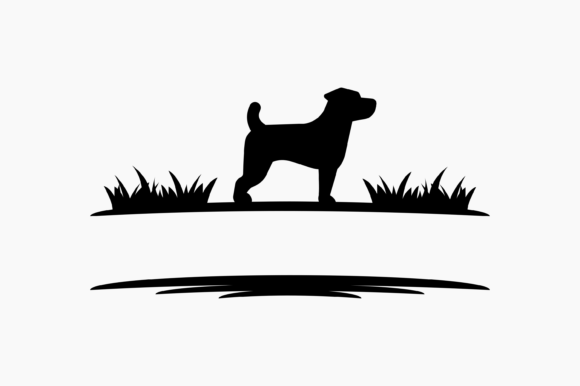
The moment I opened this machine embroidery design, I noticed how the dog silhouette merges with the lettering in a way that feels intentional rather than forced. The Jack Russell terrier shape is distinct enough to be recognized by anyone familiar with the breed, but the overall composition keeps a clean, modern line that works across both custom apparel and handmade product categories. The monogram format gives it a tailored feel, which immediately made me think of boutique merchandise and personalized gift orders where the buyer wants something that looks like it was designed just for them.
The mood here is warm but not cutesy, refined but not stiff. That balance is harder to achieve than most non-designers realize. For an Etsy seller or a small shop product line, this kind of visual personality helps you attract customers who value craftsmanship and are willing to pay for it. I have seen too many pet designs that go either too childish or too generic, and this lands right in the sweet spot for adult gift buyers and pet owners who treat their dogs like family.
How it performs across real embroidery projects
I ran this embroidery file through several test stitches on different fabric types to see how it holds up under production conditions. On a medium-weight twill tote bag, the satin stitch areas came through crisp and the fill stitch sections had good coverage without feeling overly dense. The tote bag design scenario is one of the most common requests I get from customers who want a everyday carry item for dog park trips or grocery runs, and this design sits nicely on the front panel without overwhelming the bag proportions.
On a sweatshirt embroidery project, I placed the design on the left chest area. The fabric had a bit of stretch, so I used a medium weight cutaway stabilizer and a light hand with the tension. The design tracked well and the lettering remained legible even after the garment went through a wash cycle. For baby embroidery projects, such as a onesie or a small burp cloth, the design size needs to be scaled down carefully. The detail in the dog silhouette is fine, so dropping it below a certain hoop size will cause the shape to lose definition. I would not go smaller than a 4x4 hoop for this particular design if you want the Jack Russell features to read clearly.
For commercial embroidery work, where you may be stitching multiple units for a client, the stitch density felt reasonable. It did not cause excessive thread breaks or fabric puckering on the test runs. That matters when you are running a production batch and cannot afford to babysit every stitch. I have worked with designs that looked beautiful in the digital preview but turned into a nightmare at 200 units, and this one does not raise those red flags.
Where to use it carefully
No design is perfect for every surface, and being honest about limitations is part of running a trustworthy craft business. The Dog Jack Russell Terrier Monogram has some elements that require attention on certain substrates. On curved surfaces like caps, the layout of the monogram combined with the dog shape may need a test stitch to confirm that the edges do not distort. Cap embroidery is tricky even with simple lettering, so I recommend a practice run on a scrap cap before committing to a production run.
On thin fabric like lightweight t-shirts or silky blouses, the stitch density could cause show-through or slight puckering if you do not use the right stabilizer. A tearaway stabilizer will not cut it here. I suggest a medium cutaway with a second layer of water soluble topping on textured fabrics. On dark fabric, the contrast of the thread colors matters more because the design relies on shape recognition. Using a lighter thread color will help the silhouette pop, but test a few thread combinations to see what reads best from a few feet away.
Stretchy fabric like jersey knits or performance wear also needs extra care. The monogram portion has some straight lines that can pull if the fabric shifts during stitching. A good hooping technique and a firm stabilizer will solve most of that, but do not skip the test stitch on stretchy blanks. The same caution applies to layered garments like lined jackets or hoodies with thick seams. If the design lands on a seam, the needle may struggle, and the final result could look uneven.
Visual appeal and product value
In the handmade product space, the difference between a design that sells and one that sits in inventory often comes down to how the finished item feels to the customer. The Dog Jack Russell Terrier Monogram has a polished look that elevates a simple blank into something giftable. I tested it on a kitchen towel as a small run for a holiday gift set, and the stitching held up nicely after three washes. The towel design scenario is popular for pet-themed gifts, and this monogram style feels more intentional than a generic dog clipart.
For printable mockup use in your online shop, this design also works well because the silhouette is clean enough to read in product photography. If you sell design assets as digital products, the SVG and PNG formats give buyers flexibility for non-embroidery applications like mugs or stickers. That cross-format utility is a strong selling point when you are listing in the Crafts category or building a small shop product line around pet monograms.
Customers who order personalized gifts are often looking for something that feels custom without looking amateur. This design delivers that balance. It has enough detail to show you put thought into it, but it is not so busy that it clashes with different fabric textures or garment styles. I can see it working well for boutique branding in a pet supply shop, or as a recurring option in a craft fair product lineup where you offer multiple breed-specific monograms.
Practical embroidery designer notes
Before you commit to stitching this on a final product, run a test on scrap fabric that matches the weight and texture of your intended blank. Check the thread color contrast against the fabric color. A design that looks great in white thread on denim may disappear on a cream sweatshirt. I also recommend reviewing the design in black and white mockups to see if the silhouette holds its shape without color distractions. This is a habit I have developed over years of production work, and it saves a lot of frustration.
Confirm your hoop size before loading the file. The embroidery project will go smoothly if you have the right hoop for the design dimensions. If the design seems to have a dense stitch area around the dog head or the lettering corners, consider a lighter density or a smaller needle to avoid perforating delicate fabric. Use proper stabilizer for the fabric type, and always stitch a sample before moving to production. That sample also gives you a finished product photo for your Etsy seller listings, which builds trust with buyers who want to see exactly what they are getting.
For those of you running a craft business and selling finished products, confirm the licensing terms before you start production. The description says the design is for unlimited use with digital files including SVG, PNG, EPS, and DXF formats. That suggests you can create finished items for sale, but always double check the specific license agreement that came with your purchase. If you are uncertain, reach out to the seller. It is better to have clarity on commercial use than to risk a listing issue later.
Who benefits most from this design
If you are a digital product seller looking to offer embroidery files in the Graphics category, this design has strong appeal because it targets a specific breed audience. Jack Russell terrier owners are passionate about their dogs, and a monogram that includes the breed silhouette gives them a way to show that pride on apparel, bags, or home goods. For creative entrepreneurs building a niche around pet products, adding breed-specific designs like this one can differentiate your shop from general pet decor.
Small business owners who do commercial embroidery for local clients will also find this useful. I have had customers come in asking for a custom embroidered patch for a dog vest or a personalized tote for a dog walker gift. Having a Jack Russell monogram ready to go saves design time and gives the client a preview that feels professional. The same applies for handmade shop owners who produce custom apparel runs for breed meetups or rescue fundraisers.
For hobbyists and makers, this design is accessible enough to stitch on a home machine without frustration, but detailed enough to produce results that look like they came from a professional shop. That combination is harder to find than you might think. Many designs that appeal to hobbyists end up looking simple, and many professional designs require advanced digitizing skills to run cleanly. This one sits in the usable middle ground where most of my real work happens.
Final thoughts on real project use
The Dog Jack Russell Terrier Monogram has earned a spot in my active design folder. It checks the boxes that matter for production work: clean stitching, versatile placement options, breed recognition, and a visual tone that fits both personalized gift orders and small shop product lines. I have already used it on a custom tote for a repeat customer and have another order lined up for a set of embroidered tea towels as holiday gifts. In each case, the design performed well and the customer response was positive.
If you are considering adding this to your library, my advice is to test it on the specific blanks you use most often, adjust your stabilizer and thread choices to match the fabric, and take a sample photo for your listings. That preparation turns a good design file into a reliable product you can offer with confidence. Whether you are stitching for yourself, for a client, or for a shop full of eager dog owners, this monogram gives you a solid foundation to build on.