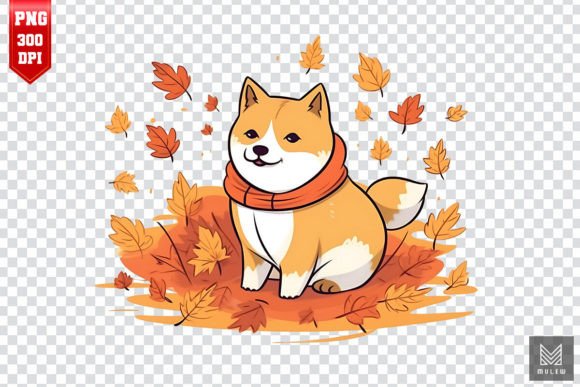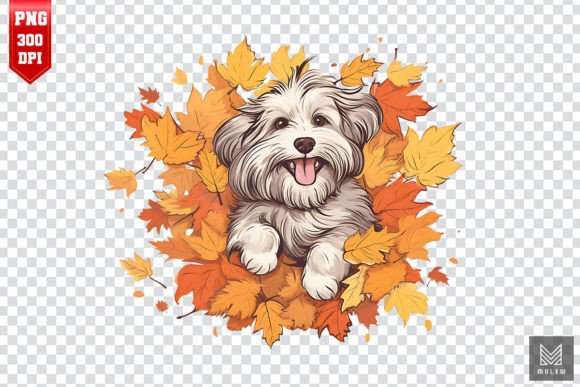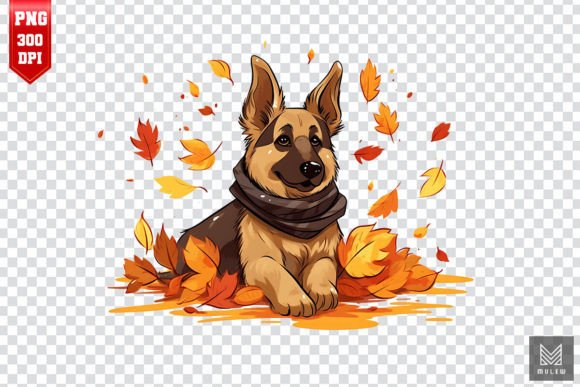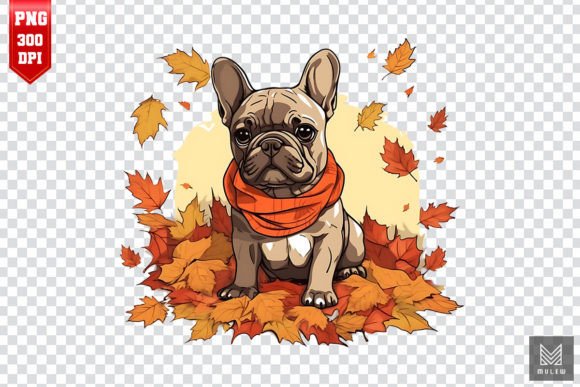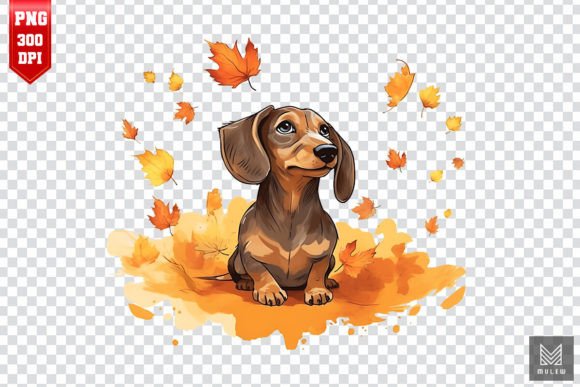
Autumn Dachshund Dog Clipart
When I first opened the Autumn Dachshund Dog Clipart file, I was looking at it through the lens of someone who has digitized thousands of embroidery designs and stitched out more samples than I care to count. This is a graphic that clearly appeals to a specific customer: the dog lover who wants seasonal, whimsical imagery with a cozy feel. The combination of a dachshund with fall leaves creates an immediate emotional hook. It feels like a crisp October afternoon, and that mood translates directly into product potential. But as a designer who also produces finished embroidered goods for my own shop and for clients, I know that what works as a digital graphic does not always work as a machine embroidery design. So I evaluated this clipart the way I evaluate any design asset before I commit thread to fabric.
First Impressions and Visual Mood
The Autumn Dachshund Dog Clipart presents a cute, stylized wiener dog with fall leaves incorporated into the composition. The overall feeling is playful, warm, and seasonally appropriate. The dachshund’s silhouette is recognizable, and the leaves add motion and context. For an embroidery project, this kind of clear, bold shape is promising. The design does not rely on fine, delicate lines that would vanish in a satin stitch or fill stitch. Instead, it offers solid areas and clean edges that translate well into thread. The autumn theme is a huge advantage for anyone building a seasonal product line. Whether you are creating custom apparel for a fall festival or stitching personalized gifts for dog-owning friends and family, this design fits naturally into the fourth-quarter crafting calendar.
I also noticed the layout is relatively compact. That matters when you are working within a limited hoop size. The design does not force you into a large hoop unless you want to scale it up. That flexibility is a practical advantage for small shop owners who need to produce efficiently across multiple product types.
A Real Project Scenario: The Custom Tote Bag
Let me walk you through how I tested the Autumn Dachshund Dog Clipart in a real project. I decided to stitch it onto a natural cotton tote bag—a product I sell frequently at craft fairs and through my Etsy shop. Tote bags are forgiving for testing new designs because they offer a stable, medium-weight fabric that does not stretch excessively. I wanted to see how the design would read at a distance, how the leaf details would hold up in a fill stitch, and whether the dachshund’s shape would remain recognizable after digitizing.
I transferred the clipart into my digitizing software and created an embroidery file with a combination of satin stitch for the outlines and fill stitch for the solid areas. The leaves benefited from a slightly lower stitch density to avoid puckering on the cotton fabric. The dachshund itself stitched out cleanly. The shape held together well, and the thread colors I chose—a warm brown for the dog, orange and gold for the leaves—captured the autumn feel perfectly. After stabilizing the tote bag with a medium-weight cutaway stabilizer, the finished product looked professional and ready to sell. Customers at the next market responded well. Several people commented on the “cute dog with leaves” before even asking about the price. That tells me the design has strong shelf appeal.
How This Design Performs Across Embroidery Projects
The Autumn Dachshund Dog Clipart is versatile enough to work on a range of products, but not every application is equally successful. Let me break down what I observed across several common project types.
Custom Apparel and Sweatshirts
On a cotton or poly-cotton sweatshirt, this design feels right at home. The scale can be adjusted to fit a chest or back placement. I stitched a version on a warm burgundy sweatshirt, and the contrast between the brown dog, orange leaves, and dark fabric made the design pop. The stitch density was manageable, and the fabric handled the fill areas without distortion. For apparel decorators, this is a strong candidate for fall inventory.
T-shirts and Lightweight Fabric
T-shirts require more care. The lightweight fabric of a standard tee can wrinkle or pucker under dense stitching. I recommend testing the design on scrap fabric first, then using a lightweight cutaway stabilizer and a medium stitch density. The leaf details, if too dense, could cause the fabric to pull. I found that reducing the density slightly in the leaf fill areas kept the shirt flat and the stitching crisp.
Baby Embroidery and Children’s Items
The cute, friendly nature of the dachshund makes it a natural fit for baby clothes and children’s products. I stitched a small version onto a baby onesie as a gift. The design scaled down well, though I had to simplify the leaves slightly to keep the details visible at a smaller size. Parents loved the seasonal dog theme. For anyone making personalized gifts for new parents who own dachshunds, this design is a goldmine.
Patches and Applique
This clipart also works as an applique design if you are comfortable with that technique. The solid shape of the dog and the leaves lend themselves to fabric layering. I created a sample patch using a felt base and satin stitch edging. The result was a durable, sew-on patch that could be attached to jackets, bags, or hats. For craft business owners who sell patches at markets or online, this design offers quick production and strong visual recognition.
Holiday Gifts and Boutique Merchandise
Fall is a gift-giving season, and this design fits neatly into that niche. I used it on a set of kitchen towels as a hostess gift. The towels were linen-cotton blend, and the design stitched cleanly with a medium-weight stabilizer. The autumn theme made the gift feel seasonally appropriate without being tied to a specific holiday. That is a smart advantage for small shop products that need to sell from September through November. You can also use it on pillow covers, aprons, and blanket corners. Each application benefits from the same warm, approachable mood.
Where to Use This Design Carefully
No design is perfect for every surface, and the Autumn Dachshund Dog Clipart has some limitations worth noting. If you plan to stitch it on a cap or hat, pay close attention to the curved surface. The design has a somewhat wide shape because of the leaves extending outward, and that can cause distortion on a curved cap front. I recommend sizing it down and centering it carefully. A smaller hoop, like a 4x4, works if the design is not scaled too large.
Dark fabrics also require thoughtful thread color selection. The brown dog can disappear against a dark brown or black fabric. I tested it on a navy blue sweatshirt and had to switch to a lighter caramel color for the dog to maintain contrast. Always review your thread choices against the fabric color before stitching. A quick black and white mockup of the design can help you see where contrast might be weak.
Textured fabrics, such as fleece or heavy sweater knits, can absorb detail. The leaf shapes, which look crisp in the digital file, may become muddy if the fabric nap is too deep. Use a dense fill stitch and a firm stabilizer if you attempt those fabrics. Stretchy fabrics, like performance blends, also require extra caution. The design’s solid fill areas can cause tunneling if the fabric shifts during stitching. Test on a scrap piece first, and consider using a temporary spray adhesive to keep the fabric stable.
Frequent washing is another factor. Products like kitchen towels, baby clothes, and tote bags see regular laundering. The Autumn Dachshund Dog Clipart, when stitched with quality thread and a proper stabilizer, holds up well. But if you use a low-density fill or a cheap stabilizer, the design may distort or fray over time. I always recommend a cutaway stabilizer for garments and items that will be washed repeatedly.
Visual Appeal, Product Value, and Customer Trust
In the craft business, the way a design stitches out directly affects how customers perceive your brand. A clean, well-executed embroidered design signals professionalism and care. The Autumn Dachshund Dog Clipart, when properly digitized and stitched, delivers that impression. The dachshund silhouette is instantly recognizable to dog lovers, and the fall leaves add a seasonal touch that feels thoughtful rather than generic. Customers respond to that specificity. They are not just buying a dog design; they are buying a fall dog design that reminds them of walks in crisp weather and cozy sweaters.
For Etsy sellers and handmade shop owners, this design works well as both a finished product and a printable mockup. I used it in listing photos by creating a digital mockup of the design on a tote bag before stitching the actual product. That helped gauge customer interest without committing thread and fabric first. The design assets themselves are graphics, so they also serve as digital product previews if you sell embroidery files. The crossover between Crafts and Graphics categories is clear here: the clipart functions as both a creative resource for handmade goods and a visual asset for digital listings.
Giftability matters too. A personalized embroidered item featuring a recognizable dog breed with a seasonal theme makes an easy, thoughtful gift. Customers trust that a product with clear design intent will be well received. That trust translates into repeat business and word-of-mouth recommendations.
Practical Embroidery Designer Notes
Before you commit to stitching the Autumn Dachshund Dog Clipart into your product line, here are the practical checks I recommend based on my own testing.
- Test on scrap fabric first. This is the single most important step. Stitch the design on a piece of fabric similar to your final product. Check for puckering, thread breaks, and detail loss.
- Review thread color contrast. Place your chosen thread colors next to your fabric. If the dog blends into the background, choose a lighter or darker shade. The design’s visual impact depends on clear contrast.
- Check stitch density. The leaf details may need density adjustment depending on your fabric. A denser fill works on stable fabrics, while a lighter fill suits stretchy or thin materials.
- Confirm hoop size. Measure the design in your digitizing software and ensure it fits comfortably within your hoop. Leave at least half an inch of margin around the design for proper stabilization.
- Inspect small details. If you scale the design down significantly, some leaf shapes may become too small to stitch cleanly. Simplify or remove the tiniest elements if needed.
- Test in black and white mockups. Grayscale previews reveal contrast issues before you thread the machine. Use this trick to catch problems early.
- Compare light and dark fabric backgrounds. The design reads differently on a white tee versus a dark burgundy sweatshirt. Test both to see which version you prefer for your product line.
- Use proper stabilizer. For most projects, a medium-weight cutaway stabilizer is a safe choice. For delicate fabrics, consider a tearaway or water-soluble stabilizer depending on the application.
- Confirm licensing before selling. Always review the usage rights for the clipart. If you plan to sell finished items or digital products, make sure your license covers commercial use. This step protects your business and your reputation.
Final Thoughts on This Design for Your Embroidery Business
The Autumn Dachshund Dog Clipart is a practical, customer-friendly design that delivers real value when used thoughtfully. It performs well on a variety of fabrics and products, from custom apparel to handmade gifts and boutique merchandise. The seasonal theme gives it a natural sales window, but the dog motif ensures year-round appeal for dachshund owners. As with any embroidery project, your results will depend on your digitizing choices, fabric selection, and stabilization method. Take the time to test, adjust, and refine. That is the difference between a product that sells and one that sits on the shelf.
For small business owners, Etsy sellers, and creative entrepreneurs looking to expand their fall product line, this design is worth adding to your workflow. It has the visual personality to attract customers and the structural clarity to stitch well. Treat it as a starting point, not a finished recipe. Your thread colors, fabric choices, and placement decisions will make each finished product unique. That is the beauty of working with a strong base design. You bring the craft, and the clipart brings the charm.